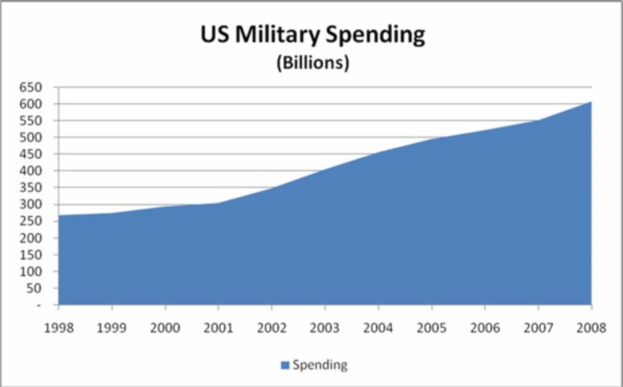
|
Delaware
|
33-
143215
|
|
|
(State
or other jurisdiction of
|
(I.R.S.
Employer
|
|
|
incorporation
organization)
|
Identification
No.)
|
|
|
1420
Presidential Drive
|
||
|
Richardson,
TX
|
75081-2439
|
|
|
(Address
of principal executive offices)
|
(Zip
Code)
|
|
|
Registrant’s telephone number, including area code
|
(972)
644-0722
|
|
|
Large
accelerated filer o
|
Accelerated
filer o
|
|
Non-accelerated
filer o
|
Smaller
reporting company x
|
|
Shares
Outstanding
|
||
|
Title of Class
|
January 8, 2010
|
|
|
Common
Stock
|
139,444,940
|
|
PART
I
|
|||
|
Item
1.
|
Description
of Business.
|
3
|
|
|
Item
1A.
|
Risk
Factors.
|
15
|
|
|
Item
2.
|
Properties.
|
23
|
|
|
Item
3.
|
Legal
Proceedings.
|
24
|
|
|
Item
4.
|
Submission
of Matters to a Vote of Security Holders.
|
24
|
|
|
PART
II
|
|||
|
Item
5.
|
Market
for Registrant’s Common Equity, Related Stockholder Matters and Issuer
Purchases of Securities.
|
||
|
Item
7.
|
Management’s
Discussion and Analysis of Financial Conditions and Results of
Operations.
|
25
|
|
|
Item
8.
|
Financial
Statements and Supplementary Data.
|
39
|
|
|
Item
9.
|
Changes
in and Disagreements With Accountants on Accounting and Financial
Disclosure.
|
69
|
|
|
Item
9A.
|
Controls
and Procedures.
|
69
|
|
|
PART
III
|
|||
|
Item
10.
|
Directors,
Executive Officers and Corporate Governance.
|
70
|
|
|
Item
11.
|
Executive
Compensation.
|
73
|
|
|
Item
12.
|
Security
Ownership of Certain Beneficial Owners and Management and Related
Stockholder Matters.
|
78
|
|
|
Item
13.
|
Certain
Relationships and Related Transactions, and Director
Independence.
|
79
|
|
|
Item
14.
|
Principal
Accounting Fees and Services.
|
82
|
|
|
PART
IV
|
|||
|
Item
15.
|
Exhibits.
|
82
|
|
Regulation
|
Summary
|
|
|
Federal
Acquisition Regulation
|
The
principal set of rules in the Federal Acquisition Regulation System. This
system consists of sets of regulations issued by agencies of the Federal
government of the United States to govern what is called the "acquisition
process," which is the process through which the government purchases
("acquires") goods and services. That process consists of three phases:
(1) need recognition and acquisition planning, (2) contract formation, and
(3) contract administration. The FAR System regulates the activities of
government personnel in carrying out that process. It does not regulate
the purchasing activities of private sector firms, except to the extent
that parts of it are incorporated into government solicitations and
contracts by reference.
|
|
|
International
Traffic in Arms Regulations
|
United
States government regulations that control the export and import of
defense-related articles and services on the United States Munitions
List. These regulations implement the provisions of the Arms
Export Control Act.
|
|
Truth
in Negotiations Act
|
A
public law enacted for the purpose of providing for full and fair
disclosure by contractors in the conduct of negotiations with the
Government. The most significant provision included is the requirement
that contractors submit certified cost and pricing data for negotiated
procurements above a defined threshold, currently
$650,000. Requires contractors to provide the Government with
an extremely broad range of cost or pricing information relevant to the
expected costs of contract performance. Requires contractors
and subcontractors to submit cost or pricing data to Government and to
certify that, to the best of their knowledge and belief, the data are
current, accurate, and
complete.
|
|
Contract Quantities
|
|||||||||||||||||
|
Customer
|
Customer
PO/Contract
|
Contract Type
|
Min Qty
|
Max Qty
|
Total
Award
Value
|
Progress
Billable
(1)
|
Order
Period
Expiration
|
Delivery
Period
|
|||||||||
|
General
Dynamics Land Systems
|
PCL860000 thru
PCL860005 (Multiple Prime Contracts)
|
1
year blanket order with Fixed Qty Contract release which includes ability
to in crease or decrease quantity on each release up to 20% from PO
release quantity.
|
N/A
|
N/A
|
$
|
14,813,100
|
Yes
|
Expired
|
Dec 2007 - Jan 2011
|
||||||||
|
Tank-automotive
and Armaments Command - ROCK ISLAND
|
W52H09-05-D-0260
|
5
Year Firm Fixed Price (3)
|
138
|
2,100
|
$
|
7,261,716
|
Yes
|
30-Jun-2010
|
Oct
2007-Jan 2011
|
||||||||
|
Tank-automotive
and Armaments Command - ROCK ISLAND
|
W52H09-05-D-0248
|
5
Year Firm Fixed Price (3)
|
138
|
1,250
|
$
|
5,006,119
|
Yes
|
30-Jun-2010
|
Apr
2007- Jul 2010
|
||||||||
|
Tank-automotive
and Armaments Command - ROCK ISLAND
|
W52H09-09-D-0128
|
3 Yr
– Evaluated Pricing (3). Restricted Procurement between Optex
Systems & Miller Holzwarth
|
250
each supplier
|
250
each supplier
|
$
|
118,250
|
(2) |
Yes
|
31-Dec-2011
|
Initial
award deliverable
Aug - Sept
2009. Additional awards not to exceed aggregate 2000 units per
month total units.
|
|||||||
|
General
Dynamics Land Systems
|
|
40050551
(Multiple Prime Contracts)
|
|
Firm
Fixed Price and Fixed
Quantity
Purchase Order
|
|
N/A
|
|
N/A
|
|
$
|
5,380,137
|
|
Yes
|
|
N/A
|
|
Jan
2011 -
Feb
2013
|
|
(1)
|
Payment
terms on shipments are all net 30
days.
|
|
(2)
|
Only
first delivery order awarded. Maximum order value potential of
up to $22 million with expected award value of $7.5 million. We
estimate the maximum order potential at $22 million based on the
government’s estimated maximum order quantity for each periscope type
times the Optex not to exceed price per unit for each of the solicited
periscope assemblies. The $7.5 million expected value is
derived based on the governments estimated quantity requirement for each
periscope type across the contract period times Optex proposed not to
exceed price per unit, assuming that the award is split equally between
Optex and the other supplier.
|
|
(3)
|
Indefinite
Delivery/Indefinite Quantity type
contract.
|
|
|
·
|
Electronic
sighting systems
|
|
|
·
|
Mechanical
sighting systems
|
|
|
·
|
Laser
protected glass periscopes
|
|
|
·
|
Laser
protected plastic periscopes
|
|
|
·
|
Non-laser
protected plastic periscopes
|
|
|
·
|
Howitzer
sighting systems
|
|
|
·
|
Ship
binoculars
|
|
|
·
|
Replacement
optics (e.g. filters, mirrors)
|
|
|
·
|
The
lease term is extended until July 31,
2015.
|
|
|
·
|
The
base rent is as follows: until 7/31/2010, $0.00 per square foot, from
8/1/2010 – 7/31/2013, $4.70 per square foot and from 8/1/2013 – 7/31/2015,
$4.95 per square foot.
|
|
|
·
|
A
$195,352.00 improvement allowance is
included.
|
|
|
·
|
For
the first two years of the extended term, the landlord has granted the
option to take over additional space at similar terms as in the
amendment.
|
|
Year- Ended
|
||||
|
September 28,
2008
|
||||
|
Accounting
& Auditing Fees
|
$ | 250,000 | ||
|
Legal
Fees
|
60,000 | |||
|
Consulting
Fees
|
60,000 | |||
|
Workers
Comp & General Insurance
|
70,000 | |||
|
Total
|
$ | 440,000 | ||
|
|
·
|
Reliability
– failure can cost lives
|
|
|
·
|
Time
delivery to schedule
|
|
|
·
|
Cost
effectiveness
|
|
|
·
|
Armed
forces need to be able to see to
perform
|
|
|
·
|
Mission
critical products.
|
|
|
·
|
Big
Eye Binoculars – While the military application we produce is based on
mature military designs, Optex Systems Holdings owns all castings, tooling
and glass technology. These large fixed mount binoculars could
be sold to Cruise Ships, Personal Yachts and
Cities/Municipalities.
|
|
|
·
|
Night
Vision Sight – Optex Systems Holdings presently manufactured the Optical
System for the NL-61 Night Vision Sight Goggles for the Ministry of
Defense of Israel. This technology is based on the IR Squared design and
could be implemented for commercial
applications.
|
|
|
·
|
Infrared
Imaging Equipment – Optex Systems Holdings manufactures and assembles
Infrared Imaging Equipment for Textron and components for Raytheon’s
Thermal Imaging M36 Mount product. This equipment and technology has
potential to be assembled for border patrol, police and security
agencies.
|
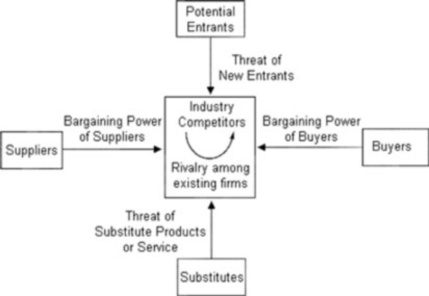
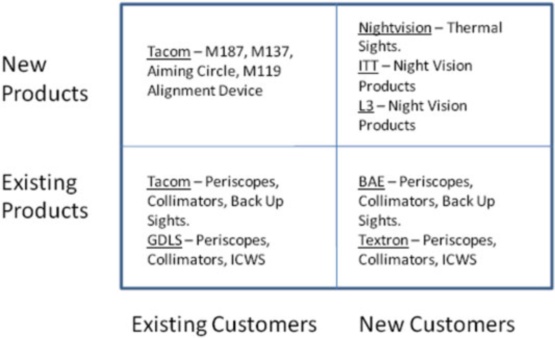
|
|
1)
|
Sell
existing products to existing
customers.
|
|
|
2)
|
Sell
existing products to new customers.
|
|
|
3)
|
Develop
new products to meet the needs of our existing
customers.
|
|
|
4)
|
Develop
new products to meet the needs of new
customers.
|
|
Name
|
Product
Line
|
|
|
M137,
M187, M119 Aiming Device
|
Howitzer
Sighting Systems
|
|
|
Aiming
Circle
|
Howitzer
Sighting Systems
|
|
|
Periscopes
|
Laser
Protected Plastic Periscopes
|
|
|
Collimators
|
Electronic
Sighting Systems
|
|
|
Back
Up Sights
|
Mechanical
Sighting Systems
|
|
|
ICWS
|
Laser
Protected Glass
Periscopes
|
|
|
-
|
Successful
Completion of ISO9001:2008
Certification
|
|
|
-
|
Weekly
Cycle Counts on Inventory Items
|
|
|
-
|
Weekly
Material Review Board Meeting on non-moving piece
parts
|
|
|
-
|
Kanban
kitting on products with consistent ship weekly ship
quantities
|
|
|
-
|
Daily
review of Yields and Product
Velocity
|
|
|
-
|
Bill
of Material Reviews prior to Work Order
Release
|
|
|
·
|
our
ability to fulfill backlog;
|
|
|
·
|
our
ability to procure additional production
contracts;
|
|
|
·
|
our
ability to control costs;
|
|
|
·
|
the
timing of payments and reimbursements from government and other contracts,
including but not limited to changes in federal government military
spending and the federal government procurement
process;
|
|
|
·
|
increased
sales and marketing expenses;
|
|
|
·
|
technological
advancements and competitors’ response to our
products;
|
|
|
·
|
capital
improvements to new and existing
facilities;
|
|
|
·
|
our
relationships with customers and suppliers;
and
|
|
|
·
|
general
economic conditions including the effects of future economic slowdowns,
acts of war or terrorism and the current international
conflicts.
|
|
Product Line
|
Supplier
|
Supply Item
|
Risk
|
Purchase Orders
|
||||
|
Periscopes
|
TSP
Inc
|
Window
used on all glass & plastic periscopes
|
Proprietary
coatings would take in excess of 6 months to identify and qualify an
alternative source
|
Current
Firm Fixed Price & Quantity Purchase orders are in place with the
supplier to meet all contractual requirements. Supplier is on
schedule.
|
||||
|
Periscopes
|
Spartec
Polycast
|
Acrylic
raw material used on plastic periscope assemblies
|
This
material has quality characteristics which would take in excess of 6
months to identify and qualify an alternative source.
|
Current
Firm Fixed Price & Quantity Purchase orders are in place with the
supplier to meet all contractual requirements. Supplier is on
schedule.
|
||||
|
Howitzers
|
Danaher
Controls
|
Counter
Assembly for M137 & M187 Howitzer programs
|
Critical
assembly would take in excess of 6 months to identify and qualify an
alternative source. Currently, the only US Government approved
supplier.
|
Current
Firm Fixed Price & Quantity Purchase orders are in place with the
supplier to meet all contractual requirements. Supplier is on
schedule.
|
||||
|
Other
|
SWS
Trimac
|
Subcontracted
Electron Beam Welding
|
Subcontracted
welder that is the only qualified supplier for General Dynamics Land
Systems muzzle reference system collimator assemblies. This
operation would take in excess of 6 months to identify and qualify an
alternative supplier.
|
Current
Firm Fixed Price & Quantity Purchase orders are in place with the
supplier to meet all contractual requirements. Supplier is on
schedule.
|
|
|
·
|
Confirming
or defeating the election of
directors;
|
|
|
·
|
amending
or preventing amendment of Optex Systems Holdings’ certificate
of incorporation or bylaws;
|
|
|
·
|
effecting
or preventing a reorganization, sale of assets or other corporate
transaction; and controlling the outcome of any other matter submitted to
the stockholders for vote.
|
|
|
·
|
additions
or departures of key personnel;
|
|
|
·
|
limited
“public float” following the reorganization, in the hands of a small
number of persons whose sales or lack of sales could result in positive or
negative pricing pressure on the market price for the common
stock;
|
|
|
·
|
operating
results that fall below
expectations;
|
|
|
·
|
economic
and other external factors, including but not limited to changes in
federal government military spending and the federal government
procurement process; and
|
|
|
·
|
period-to-period
fluctuations in Optex Systems Holdings’ financial
results.
|
|
Period
|
High
|
Low
|
||||||
|
Commencement
of Trading through Fourth Quarter 2007
|
$ | 0.50 | $ | 0.50 | ||||
|
First
Quarter 2008
|
$ | 0.50 | $ | 0.50 | ||||
|
Second
Quarter 2008
|
$ | 0.50 | $ | 0.50 | ||||
|
Third
Quarter 2008
|
$ | 0.50 | $ | 0.50 | ||||
|
Fourth
Quarter 2008
|
$ | 0.50 | $ | 0.50 | ||||
|
First
Quarter 2009
|
$ | 0.50 | $ | 0.50 | ||||
|
Second
Quarter 2009
|
$ | 0.50 | $ | 0.14 | ||||
|
Third
Quarter 2009
|
$ | 0.45 | $ | 0.08 | ||||
|
Fourth
Quarter 2009
|
$ | 0.50 | $ | 0.17 | ||||
|
Year- Ended
|
||||
|
|
September 28,
2008
|
|||
|
Accounting
& Auditing Fees
|
$ | 250,000 | ||
|
Legal
Fees
|
60,000 | |||
|
Consulting
Fees
|
60,000 | |||
|
Workers
Comp & General Insurance
|
70,000 | |||
|
Total
|
$ | 440,000 | ||
|
Description
|
Offering
|
|||
|
Additional
Personnel
|
$ | 150,000 | ||
|
Legal
and Accounting Fees
|
$ | 100,000 | ||
|
Investor
Relations Fees
|
96,000 | |||
|
Working
Capital
|
$ | 528,529 | ||
|
Totals:
|
$ | 874,529 | ||
|
Optex
Systems – Texas
(Predecessor)
|
||||
|
Revenue
|
$ | 0.9 | ||
|
Cost
of Sales
|
0.7 | |||
|
gross
margin
|
0.2 | |||
|
General
& Administrative
|
0.1 | |||
|
Operating
Income
|
$ | 0.1 | ||
|
Net
Income
|
$ | 0.1 | ||
|
September
29, 2008 through September 27, 2009
|
Predecessor
- Fiscal Year 2008
|
|||||||||||||||||||||||||||||||||||||||||||
|
Predecessor - Qtr 1
(Sept 29, 2008
through Oct 14,
2008)
|
Successor- Qtr 1
(Oct 15, 2008
through Dec 27,
2008)
|
Qtr 2
|
Qtr 3
|
Qtr 4
|
12 months ended
September 27, 2009
|
Qtr 1
|
Qtr 2
|
Qtr 3
|
Qtr 4
|
12 months ended
September 28, 2008
|
||||||||||||||||||||||||||||||||||
|
Net
Loss Applicable to Common Shareholders
|
$ | (0.1 | ) | $ | 0.1 | $ | (0.3 | ) | $ | (0.3 | ) | $ | 0.4 | $ | (0.2 | ) | $ | (0.7 | ) | $ | (0.7 | ) | $ | (0.2 | ) | $ | (3.2 | ) | $ | (4.8 | ) | |||||||||||||
|
Add:
|
||||||||||||||||||||||||||||||||||||||||||||
|
Interest
Expense
|
— | 0.1 | 0.1 | — | — | 0.2 | 0.1 | 0.1 | — | — | 0.2 | |||||||||||||||||||||||||||||||||
|
Preferred
Stock Dividend
|
— | — | — | — | 0.2 | 0.2 | — | — | — | — | ||||||||||||||||||||||||||||||||||
|
Federal
Income Taxes (Benefit)
|
— | 0.2 | 0.1 | 0.1 | (0.7 | ) | (0.3 | ) | — | — | — | — | — | |||||||||||||||||||||||||||||||
|
Goodwill
Impairment
|
— | — | — | — | — | — | — | — | — | 1.6 | 1.6 | |||||||||||||||||||||||||||||||||
|
Depreciation
& Amortization
|
— | 0.6 | 0.5 | 0.5 | 0.6 | 2.2 | 0.3 | 0.2 | 0.1 | 0.2 | 0.8 | |||||||||||||||||||||||||||||||||
|
EBITDA
- Non GAAP
|
$ | (0.1 | ) | $ | 1.0 | $ | 0.4 | $ | 0.3 | $ | 0.5 | $ | 2.1 | $ | (0.3 | ) | $ | (0.4 | ) | $ | (0.1 | ) | $ | (1.4 | ) | $ | (2.2 | ) | ||||||||||||||||
|
2010
|
2011
|
2012
|
2013
|
|||||||||||||||||||||||||||||||||||||||||||||||||
|
Program Backlog (millions)
|
Qtr
1
|
Qtr
2
|
Qtr
3
|
Qtr
4
|
Qtr
1
|
Qtr
2
|
Qtr
3
|
Qtr
4
|
Qtr
1
|
Qtr
2
|
Qtr
3
|
Qtr
4
|
Qtr
1
|
|||||||||||||||||||||||||||||||||||||||
|
Howitzer
Programs
|
$ | 0.6 | $ | 1.7 | $ | 1.9 | $ | 2.6 | $ | 1.7 | $ | 0.1 | $ | — | $ | — | $ | — | $ | — | $ | — | $ | — | $ | — | ||||||||||||||||||||||||||
|
Periscope
Programs
|
2.1 | 2.1 | 2.0 | 1.3 | 1.3 | 0.6 | 0.7 | 0.5 | 0.5 | 0.9 | 0.8 | — | — | |||||||||||||||||||||||||||||||||||||||
|
Sighting
Systems
|
0.4 | 0.2 | 0.1 | 0.1 | — | — | — | — | — | — | — | — | — | |||||||||||||||||||||||||||||||||||||||
|
All
Other
|
1.7 | 1.1 | 0.4 | 0.2 | 0.1 | 0.1 | 0.1 | 0.1 | 0.1 | 0.1 | 0.1 | 0.1 | 0.1 | |||||||||||||||||||||||||||||||||||||||
|
Total
|
$ | 4.8 | $ | 5.1 | $ | 4.4 | $ | 4.2 | $ | 3.1 | $ | 0.8 | $ | 0.8 | $ | 0.6 | $ | 0.6 | $ | 1.0 | $ | 0.9 | $ | 0.1 | $ | 0.1 | ||||||||||||||||||||||||||
|
Predecessor
|
Successor
|
Combined
|
Predecessor
|
|||||||||||||||||
|
September 29,
2008 through
October 14,
2008
|
October 15,
2008
through
September
27,
2009
|
12 mos.
ended
September 27,
2009
|
|
12 mos. ended
September
28,
2008
|
Change
|
|||||||||||||||
|
Revenue
|
$ | 0.9 | $ | 26.7 | $ | 27.6 | $ | 20.0 | $ | 7.6 | ||||||||||
|
Percent
increase
|
37.8 | % | ||||||||||||||||||
|
Product Line
|
Year ended
9/27/2009
(Combined)
|
Year mos ended
9/28/2008
(Predecessor)
|
Change
|
|||||||||
|
Howitzer
Programs
|
2.6 | 2.4 | 0.2 | |||||||||
|
Periscope
Programs
|
14.9 | 9.6 | 5.3 | |||||||||
|
Sighting
Systems
|
4.7 | 4.0 | 0.7 | |||||||||
|
All
Other
|
5.4 | 4.0 | 1.4 | |||||||||
|
Total
|
27.6 | 20.0 | 7.6 | |||||||||
|
Percent
increase
|
37.8 | % | ||||||||||
|
|
·
|
Elimination
of corporate cost allocations from Irvine Sensors Corporation of ($2.1)
million and the Irvine Sensors employee stock bonus plan of ($0.4) million
as a result of the ownership
change.
|
|
|
·
|
Increased
costs of $0.5 million in legal, accounting fees, board of director fees,
and investor relations
|
|
|
·
|
Lower
salaries, wages and employee related costs due to the reclassification of
10 purchasing and planning employees from general and administrative to
manufacturing overhead included in cost of sales of ($0.3)
million. This decrease was partially offset by the expense
associated with the implementation of a management incentive bonus plan in
2009 of $0.1 million for a net change of ($0.2) million to general and
administrative salaries, wages and related employee
expenses.
|
|
|
·
|
Increased
amortization of intangible assets of $0.2 million as a result of the
ownership change as of October 14,
2008.
|
|
|
·
|
2008
goodwill impairment of ($1.6) million incurred in 2008 versus no
impairment in 2009.
|
|
|
·
|
Reductions
of $(0.1) million in other general & administrative
spending.
|
|
Year- Ended
|
||||
|
September 28,
2008
|
||||
|
Accounting
& Auditing Fees
|
$ | 250,000 | ||
|
Legal
Fees
|
60,000 | |||
|
Consulting
Fees
|
60,000 | |||
|
Workers
Comp & General Insurance
|
70,000 | |||
|
Total
|
$ | 440,000 | ||
|
|
·
|
The
units-of-delivery method recognizes as revenue the contract price of units
of a basic production product delivered during a period and as the cost of
earned revenue the costs allocable to the delivered units; costs allocable
to undelivered units are reported in the balance sheet as inventory or
work in progress. The method is used in circumstances in which an entity
produces units of a basic product under production-type contracts in a
continuous or sequential production process to buyers'
specifications.
|
|
Successor
|
Predecessor
|
|||||||
|
September 27, 2009
|
September 28, 2008
|
|||||||
|
ASSETS
|
||||||||
|
Current
Assets
|
||||||||
|
Cash
|
$ | 915,298 | $ | 170,183 | ||||
|
Accounts
Receivable
|
1,802,429 | 2,454,235 | ||||||
|
Net
Inventory
|
8,013,881 | 4,547,726 | ||||||
|
Deferred
Tax Asset
|
711,177 | — | ||||||
|
Prepaid
Expenses
|
318,833 | 307,507 | ||||||
|
Total
Current Assets
|
$ | 11,761,618 | $ | 7,479,651 | ||||
|
Property
and Equipment
|
||||||||
|
Property
Plant and Equipment
|
$ | 1,341,271 | $ | 1,314,109 | ||||
|
Accumulated
Depreciation
|
(1,094,526 | ) | (994,542 | ) | ||||
|
Total
Property and Equipment
|
$ | 246,745 | $ | 319,567 | ||||
|
Other
Assets
|
||||||||
|
Security
Deposits
|
$ | 20,684 | $ | 20,684 | ||||
|
Intangibles
|
1,965,596 | 1,100,140 | ||||||
|
Goodwill
|
7,110,415 | 10,047,065 | ||||||
|
Total
Other Assets
|
$ | 9,096,695 | $ | 11,167,889 | ||||
|
Total
Assets
|
$ | 21,105,058 | $ | 18,967,107 | ||||
|
Successor
|
Predecessor
|
|||||||
|
September 27, 2009
|
September 28, 2008
|
|||||||
|
LIABILITIES
AND STOCKHOLDERS’ EQUITY
|
||||||||
|
Current
Liabilities
|
||||||||
|
Accounts
Payable
|
$ | 2,497,322 | $ | 1,821,534 | ||||
|
Accrued
Expenses
|
671,045 | 798,974 | ||||||
|
Accrued
Warranties
|
81,530 | 227,000 | ||||||
|
Accrued
Contract Losses
|
1,348,060 | 821,885 | ||||||
|
Loans
Payable
|
— | 373,974 | ||||||
|
Income
Tax Payable
|
— | 4,425 | ||||||
|
Total
Current Liabilities
|
$ | 4,597,957 | $ | 4,047,792 | ||||
|
Other
Liabilities
|
||||||||
|
Note
Payable
|
— | $ | 2,000,000 | |||||
|
Accrued
Interest on Note
|
— | 336,148 | ||||||
|
Due
to Parent
|
— | 4,300,151 | ||||||
|
Total
Other Liabilities
|
$ | — | $ | 6,636,299 | ||||
|
Total
Liabilities
|
$ | 4,597,957 | $ | 10,684,091 | ||||
|
Stockholders'
Equity
|
||||||||
|
Optex
Systems Holdings, Inc. – (par $0.001, 200,000,000 authorized, 139,444,940
shares issued and outstanding as of September 27,
2009)
|
$ | 139,445 | ||||||
|
Optex
Systems Holdings, Inc. Preferred Stock ($0.001 par 5,000
authorized, 1027 series A preferred issued and
outstanding)
|
1 | |||||||
|
Optex
Systems, Inc. – Texas Common Stock (no par 100,000 authorized, 18,870
shares issued and 10,000 shares outstanding)
|
164,834 | |||||||
|
Optex
Systems, Inc. – Texas Treasury Stock (8,870 shares at
cost)
|
— | (1,217,400 | ) | |||||
|
Additional
Paid-in-capital
|
16,643,388 | 15,246,282 | ||||||
|
Retained
Earnings (Deficit)
|
(275,733 | ) | (5,910,700 | ) | ||||
|
Total
Stockholders' Equity
|
$ | 16,507,101 | $ | 8,283,016 | ||||
|
Total
Liabilities and Stockholders' Equity
|
$ | 21,105,058 | $ | 18,967,107 | ||||
|
Successor
|
Predecessor
|
Predecessor
|
||||||||||
|
For the period
October
15,
2008 through
September 27, 2009
|
For the period
September 29, 2008
through October 14,
2008
|
Twelve Months
ended September
28, 2008
|
||||||||||
|
Revenues
|
$ | 26,708,799 | $ | 871,938 | $ | 20,017,209 | ||||||
|
Total
Cost of Sales
|
24,073,449 | 739,868 | 18,164,019 | |||||||||
|
Gross
Margin
|
$ | 2,635,350 | $ | 132,070 | $ | 1,853,190 | ||||||
|
General
and Administrative
|
||||||||||||
|
Salaries
and Wages
|
$ | 644,861 | $ | 22,028 | $ | 910,854 | ||||||
|
Employee
Benefits & Taxes
|
227,315 | 495 | 190,489 | |||||||||
|
Employee
Stock/Option Bonus Plan
|
39,528 | (4,812 | ) | 378,716 | ||||||||
|
Amortization
of Intangible
|
404,634 | — | 223,491 | |||||||||
|
Rent,
Utilities and Building Maintenance
|
210,258 | 12,493 | 228,694 | |||||||||
|
Investor
Relations
|
203,696 | — | — | |||||||||
|
Legal
and Accounting Fees
|
434,309 | 360 | 223,715 | |||||||||
|
Consulting
and Contract Service Fees
|
220,090 | 10,527 | 325,723 | |||||||||
|
Travel
Expenses
|
47,595 | — | 135,821 | |||||||||
|
Corporate
Allocations
|
— | — | 2,076,184 | |||||||||
|
Board
of Director Fees
|
125,000 | — | — | |||||||||
|
Asset
Impairment of Goodwill
|
— | — | 1,586,416 | |||||||||
|
Other
Expenses
|
282,136 | 16,155 | 227,336 | |||||||||
|
Total
General and Administrative
|
$ | 2,839,422 | $ | 57,246 | $ | 6,507,440 | ||||||
|
Operating
Income (Loss)
|
$ | (204,072 | ) | $ | 74,824 | $ | (4,654,251 | ) | ||||
|
Other
Expenses
|
||||||||||||
|
Other
Income and Expense
|
$ | — | $ | — | $ | (507 | ) | |||||
|
Interest
(Income) Expense - Net
|
170,078 | 9,492 | 199,753 | |||||||||
|
Total
Other
|
$ | 170,078 | $ | 9,492 | $ | 199,246 | ||||||
|
Income
(Loss) Before Taxes
|
$ | (374,150 | ) | $ | 65,332 | $ | (4,853,496 | ) | ||||
|
Income
Taxes (Benefit)
|
(284,663 | ) | — | (21,544 | ) | |||||||
|
Net
Income (Loss) After Taxes
|
$ | (89,487 | ) | $ | 65,332 | $ | (4,831,952 | ) | ||||
|
Less
preferred stock dividend
|
$ | (186,246 | ) | $ | — | $ | — | |||||
|
Net
income (loss) applicable to common shareholders
|
$ | (275,733 | ) | $ | 65,332 | $ | (4,831,952 | ) | ||||
|
Basic
and diluted earnings (loss) per share
|
$ | (0.00 | ) | $ | 6.53 | $ | (483.20 | ) | ||||
|
Weighted
Average Common Shares Outstanding
|
126,290,753 | 10,000 | 10,000 | |||||||||
|
Successor
|
Predecessor
|
Predecessor
|
||||||||||
|
For the period
October 15, 2008
through
September
27,
2009
|
For the period
September 29,
2008 through
October 14, 2008
|
Year ended
September 28, 2008
|
||||||||||
|
Cash
flows from operating activities:
|
||||||||||||
|
Net
Income (Loss)
|
$ | (89,487 | ) | $ | 65,332 | $ | (4,831,952 | ) | ||||
|
Adjustments
to reconcile net income (loss) to net cash (used in) provided by operating
activities:
|
||||||||||||
|
Depreciation
and amortization
|
2,161,486 | 9,691 | 760,801 | |||||||||
|
Provision
for (use of) allowance for inventory valuation
|
(146,266 | ) | 27,363 | (102,579 | ) | |||||||
|
Noncash
interest expense
|
159,780 | 9,500 | 200,000 | |||||||||
|
(Gain)
loss on disposal and impairment of assets
|
— | — | 1,586,416 | |||||||||
|
Stock
Option Compensation Expense
|
39,528 | — | — | |||||||||
|
(Increase)
decrease in accounts receivable
|
(397,996 | ) | 1,049,802 | (410,602 | ) | |||||||
|
(Increase)
decrease in inventory (net of progress billed)
|
(2,483,686 | ) | (863,566 | ) | 1,667,418 | |||||||
|
(Increase)
decrease in other current assets
|
196,633 | 18,541 | (290,435 | ) | ||||||||
|
(Increase)
decrease in deferred tax asset
|
(711,177 | ) | — | — | ||||||||
|
Increase
(decrease) in accounts payable and accrued expenses
|
733,453 | (186,051 | ) | (1,132,319 | ) | |||||||
|
Increase
(decrease) in accrued warranty costs
|
(145,470 | ) | — | 227,000 | ||||||||
|
Increase
(decrease) in due to parent
|
— | 1,428 | 2,312,280 | |||||||||
|
Increase
(decrease) in accrued estimated loss on contracts
|
541,479 | (15,304 | ) | (555,462 | ) | |||||||
|
Increase
(decrease) in income taxes payable
|
— | — | (21,544 | ) | ||||||||
|
Total
adjustments
|
$ | (52,236 | ) | $ | 51,404 | $ | 4,240,974 | |||||
|
Net
cash (used in)provided by operating activities
|
$ | (141,723 | ) | $ | 116,736 | $ | (590,978 | ) | ||||
|
Cash
flows from investing activities:
|
||||||||||||
|
Cash
Received through Optex Systems, Inc. (Texas) acquisition
|
$ | 253,581 | $ | — | $ | — | ||||||
|
Purchased
of property and equipment
|
(13,824 | ) | (13,338 | ) | (117,566 | ) | ||||||
|
Net
cash (used in) provided by investing activities
|
$ | 239,757 | $ | (13,338 | ) | $ | (117,566 | ) | ||||
|
Cash
flows from financing activities:
|
||||||||||||
|
Issuance
of common stock for cash
|
$ | 1,024,529 | $ | — | $ | — | ||||||
|
Proceeds
(to) from loans payable
|
(207,265 | ) | (20,000 | ) | 373,974 | |||||||
|
Net
cash (used in) provided by financing activities
|
$ | 817,264 | $ | (20,000 | ) | $ | 373,974 | |||||
|
Net
increase (decrease) in cash and cash equivalents
|
$ | 915,298 | $ | 83,398 | $ | (334,570 | ) | |||||
|
Cash
and cash equivalents at beginning of period
|
— | 170,183 | 504,753 | |||||||||
|
Cash
and cash equivalents at end of period
|
$ | 915,298 | $ | 253,581 | $ | 170,183 | ||||||
|
Successor
|
Predecessor
|
Predecessor
|
||||||||||
|
For the period
October
15, 2008
through
September 27, 2009
|
For the period
September 29,
2008 through
October 14,
2008
|
Year ended
September 28,
2008
|
||||||||||
|
Noncash
investing and financing activities:
|
||||||||||||
|
Optex
Systems, Inc. (Delaware) (Successor) purchase of Optex Systems, Inc.
(Texas) (Predecessor)
|
||||||||||||
|
Cash
received
|
$ | 253,581 | — | — | ||||||||
|
Accounts
Receivable
|
1,404,434 | — | — | |||||||||
|
Inventory
|
5,383,929 | — | — | |||||||||
|
Intangibles
|
4,036,790 | — | — | |||||||||
|
Other
Assets
|
632,864 | — | — | |||||||||
|
Accounts
Payable
|
(1,953,833 | ) | — | — | ||||||||
|
Other
Liabilities
|
(1,868,180 | ) | — | — | ||||||||
|
Debt
|
(6,000,000 | ) | — | — | ||||||||
|
Goodwill
|
7,110,415 | — | — | |||||||||
|
Issuance
of Stock
|
$ | 9,000,000 | — | — | ||||||||
|
Conversion
of Debt to Series A Preferred Stock
|
||||||||||||
|
Additonal
Paid in Capital (6,000,000 Debt Retirement plus accrued interest of
$159,780)
|
$ | 6,159,780 | — | — | ||||||||
|
Issuance
of Common shares in exchange for Investor Relations
Services
|
||||||||||||
|
Prepaid
Expenses (1,030,000 shares issued at .001 par)
|
$ | 226,500 | — | — | ||||||||
|
Supplemental
cash flow information:
|
||||||||||||
|
Cash
paid for interest
|
$ | 10,290 | — | — | ||||||||
|
Cash
paid for taxes
|
$ | 488,799 | — | — | ||||||||
|
Common
|
Series A
|
Additional
|
Total
|
|||||||||||||||||||||||||||||
|
Shares
|
Preferred
|
Common
|
Preferred
|
Treasury Stock
|
Paid in
|
Retained
|
Stockholders
|
|||||||||||||||||||||||||
|
Outstanding
|
Shares
|
Stock
|
Series A Stock
|
Optex Texas
|
Capital
|
Earnings
|
Equity
|
|||||||||||||||||||||||||
|
Predecessor
Entity
|
||||||||||||||||||||||||||||||||
|
Balance
at September 28, 2008
|
10,000 | $ | 164,834 | $ | (1,217,400 | ) | $ | 15,246,282 | $ | (5,910,700 | ) | $ | 8,283,016 | |||||||||||||||||||
|
Net
Income
|
65,332 | 65,332 | ||||||||||||||||||||||||||||||
|
Balance
at October 14, 2008
|
10,000 | — | $ | 164,834 | $ | — | $ | (1,217,400 | ) | $ | 15,246,282 | $ | (5,845,368 | ) | $ | 8,348,348 | ||||||||||||||||
|
Successor
Entity
|
||||||||||||||||||||||||||||||||
|
Balance
at October 15, 2008
|
— | — | — | — | — | — | — | — | ||||||||||||||||||||||||
|
Issuance
of Common Stock (1)
|
113,333,282 | — | $ | 113,333 | $ | — | $ | — | $ | 8,886,667 | $ | — | $ | 9,000,000 | ||||||||||||||||||
|
Cancellation
of Investor Relations Stock
|
(700,000 | ) | (700 | ) | (104,300 | ) | (105,000 | ) | ||||||||||||||||||||||||
|
Investor
Relations Common Stock Issued
|
480,000 | 480 | 143,520 | 144,000 | ||||||||||||||||||||||||||||
|
Issuance
of Common Stock
|
750,000 | 750 | 149,250 | 150,000 | ||||||||||||||||||||||||||||
|
Conversion
of 6,000,000 Debt and Interest to Series A preferred
shares
|
1,027 | 1 | 6,159,780 | 6,159,781 | ||||||||||||||||||||||||||||
|
Sustut
Exploration Reorganization
|
17,449,991 | 17,450 | 170,050 | 187,500 | ||||||||||||||||||||||||||||
|
Stock
Option Compensation Expense
|
— | — | — | — | 39,528 | — | 39,528 | |||||||||||||||||||||||||
|
Private
Placement Sale of Stock
|
8,131,667 | — | 8,132 | — | — | 1,012,647 | — | 1,020,779 | ||||||||||||||||||||||||
|
Accumulated
Dividends on Preferred Stock
|
186,246 | (186,246 | ) | — | ||||||||||||||||||||||||||||
|
Net
Earnings (Loss) from continuing operations
|
— | — | — | — | — | — | (89,487 | ) | (89,487 | ) | ||||||||||||||||||||||
|
Balance
at September 27, 2009
|
139,444,940 | 1,027 | $ | 139,445 | $ | 1 | $ | — | $ | 16,643,388 | $ | (275,733 | ) | $ | 16,507,101 | |||||||||||||||||
|
Successor
|
Predesessor
|
|||||||
|
|
|
As of
September 27, 2009
|
|
|
As of
September 28, 2008
|
|
||
|
Raw
Materials
|
$
|
7,161,241
|
$
|
5,575,520
|
||||
|
Work
in Process
|
4,043,308
|
4,199,657
|
||||||
|
Finished
Goods
|
245,056
|
28,014
|
||||||
|
Gross
Inventory
|
$
|
11,449,605
|
$
|
9,803,191
|
||||
|
Less:
|
||||||||
|
Unliquidated
Progress Payments
|
(2,880,898
|
)
|
(4,581,736
|
)
|
||||
|
Inventory
Reserves
|
(554,826
|
)
|
(673,729
|
)
|
||||
|
Net
Inventory
|
$
|
8,013,881
|
$
|
4,547,726
|
||||
|
|
Unaudited
Quarter
Ended March 29,
2009
|
Reorganization
Adjustments
(1)
|
Private
Placement
Adjustments
|
Unaudited Quarter
Ended March 29,
2009
|
||||||||||||
|
Assets
|
||||||||||||||||
|
Current
Assets
|
$
|
8,880,436
|
$
|
187,500
|
$
|
929,738
|
$
|
9,997,674
|
||||||||
|
Non
current Assets
|
10,422,425
|
-
|
-
|
10,422,425
|
||||||||||||
|
Total
Assets
|
$
|
19,302,861
|
$
|
187,500
|
$
|
929,738
|
$
|
20,420,099
|
||||||||
|
Liabilities
|
||||||||||||||||
|
Loans
Payable
|
146,709
|
(146,250
|
)
|
459
|
||||||||||||
|
Other
Current Liabilities
|
4,416,403
|
-
|
55,209
|
4,471,612
|
||||||||||||
|
Total
Liabilities
|
$
|
4,563,112
|
$
|
-
|
$
|
(91,041
|
)
|
$
|
4,472,071
|
|||||||
|
Equity
|
||||||||||||||||
|
Optex
Systems Holdings, Inc. – (par $0.001per share, 200,000,000 shares
authorized, 138,914,940 shares issued and outstanding as of March 29,
2009)
|
113,333
|
17,450
|
8,132
|
138,915
|
||||||||||||
|
Optex
Systems Holdings, Inc. preferred stock (par value $0.001per
share, 5,000 shares authorized, 1027 shares of Series A
Preferred issued and outstanding)
|
1
|
1
|
||||||||||||||
|
Additional
Paid in Capital
|
15,046,446
|
170,050
|
1,012,647
|
16,229,143
|
||||||||||||
|
Retained
Earnings
|
(420,031
|
)
|
(420,031
|
)
|
||||||||||||
|
Total
Stockholders Equity
|
$
|
14,739,749
|
$
|
187,500
|
$
|
1,020,779
|
$
|
15,948,028
|
||||||||
|
Total
Liabilities and Stockholders Equity
|
$
|
19,302,861
|
$
|
187,500
|
$
|
929,738
|
$
|
20,420,099
|
||||||||
|
|
Unaudited,
Pro forma
|
|
|||||
|
|
Years Ended
|
|
|||||
|
|
September 27,
2009
|
|
|
September 28,
2008
|
|
||
|
Revenues
|
$
|
27,580,737
|
$
|
20,017,209
|
|||
|
Net
Income (Loss) applicable to common shareholders
|
$
|
($362,149)
|
$
|
(4,461,601
|
)
|
||
|
Diluted
earnings per share
|
$
|
(0.00
|
)
|
$
|
(0.03
|
)
|
|
|
Weighted
Average Shares Outstanding
|
139,045,625
|
138,914,940
|
|||||
|
Successor
|
Predecessor
|
||||||||
|
|
Estimated Useful Life
|
|
Year Ended
September 27, 2009
|
|
|
Year Ended
September 28, 2008
|
|
||
|
Property
and Equipment
|
|||||||||
|
Furniture
and Equipment
|
3-5yrs
|
$
|
159,724
|
$
|
145,071
|
||||
|
Machinery
and Equipment
|
5
yrs
|
1,034,440
|
1,026,250
|
||||||
|
Leasehold
Improvements
|
7
yrs
|
147,107
|
142,788
|
||||||
|
Less:
Accumulated Depreciation
|
(1,094,526
|
)
|
(994,542
|
)
|
|||||
|
Net
Property & Equipment
|
$
|
246,745
|
$
|
319,567
|
|||||
|
Depreciation
Expense
|
$
|
99,984
|
$
|
164,434
|
|||||
|
Successor
|
Predecessor
|
|||||||
|
|
|
Year Ended
September 27, 2009
|
|
|
Year Ended
September 28, 2008
|
|
||
|
Customer
Advance Payments
|
$
|
80,753
|
$
|
-
|
||||
|
Deferred
Rent Expense
|
27,860
|
84,435
|
||||||
|
Accrued
Vacation
|
153,291
|
94,311
|
||||||
|
Property
Taxes
|
17,532
|
17,557
|
||||||
|
Contract
Settlement
|
-
|
351,217
|
||||||
|
Franchise
Taxes
|
5,100
|
-
|
||||||
|
Operating
Expenses
|
244,884
|
128,717
|
||||||
|
Payroll
& Payroll Related
|
141,625
|
122,737
|
||||||
|
Total
Accrued Expenses
|
$
|
671,045
|
$
|
798,974
|
||||
|
Operating
|
||||
|
Leases
|
||||
|
Fiscal
year
|
||||
|
2010
|
$
|
79,867
|
||
|
2011
|
16,753
|
|||
|
2012
|
—
|
|||
|
2013
|
—
|
|||
|
Thereafter
|
—
|
|||
|
Total
minimum lease payments
|
$
|
96,620
|
||
|
Year- Ended
|
||||
|
September 28,
2008
|
||||
|
Accounting
& Auditing Fees
|
$
|
250,000
|
||
|
Legal
Fees
|
60,000
|
|||
|
Consulting
Fees
|
60,000
|
|||
|
Workers
Comp & General Insurance
|
70,000
|
|||
|
Total
|
$
|
440,000
|
||
|
Assets:
|
||||
|
Current
assets, consisting primarily of inventory of $5,383,929 and accounts
receivable of $1,404,434
|
$
|
7,330,910
|
||
|
Identifiable
intangible assets
|
4,036,789
|
|||
|
Purchased
Goodwill
|
7,110,416
|
|||
|
Other
non-current assets, principally property and equipment
|
343,898
|
|||
|
Total
assets
|
$
|
18,822,013
|
||
|
Liabilities:
|
||||
|
Current
liabilities, consisting of accounts payable of $1,953,833 and accrued
liabilities of $1,868,180
|
3,822,013
|
|||
|
Acquired
net assets
|
$
|
15,000,000
|
||
|
Total
|
||||
|
Contracted
Backlog - Existing Orders
|
$
|
2,763,567
|
||
|
Program
Backlog - Forecasted Indefinite Delivery/Indefinite Quantity
awards
|
1,273,222
|
|||
|
Total
Intangible Asset to be amortized
|
$
|
4,036,789
|
||
|
2010
|
2011
|
2012
|
2013
|
|||||||||||||||
|
Contracted
backlog amortized by delivery schedule
|
COS
|
$
|
718,290
|
$
|
126,158
|
$
|
19,614
|
$
|
4,762
|
|||||||||
|
Contracted
backlog amortized by delivery schedule
|
G&A
|
64,646
|
11,354
|
1,765
|
427
|
|||||||||||||
|
Program
backlog amortized straight line across 5 years
|
G&A
|
254,645
|
254,645
|
254,645
|
254,645
|
|||||||||||||
|
Total
Amortization by Year
|
$
|
1,037,581
|
$
|
392,157
|
$
|
276,024
|
$
|
259,834
|
||||||||||
|
Assets:
|
||||||||
|
Current
assets, consisting primarily of inventory of $5,734,500 and accounts
receivable of $2,191,800
|
$
|
8,070,300
|
||||||
|
Identifiable
intangible assets
|
3,180,000
|
|||||||
|
Other
non-current assets, principally property and equipment
|
455,100
|
|||||||
|
Total
assets
|
11,705,400
|
|||||||
|
Liabilities:
|
||||||||
|
Current
liabilities, consisting of accounts payable of $1,638,600, tax liabilities
of $112,800 and accrued liabilities of $682,100
|
2,433,481
|
|||||||
|
Acquired
net assets
|
9,271,919
|
|||||||
|
Purchase
price
|
||||||||
|
Total
consideration to seller
|
$
|
19,865,400
|
||||||
|
Direct
acquisition costs
|
1,040,000
|
|||||||
|
20,905,400
|
||||||||
|
Excess
purchase price reported as goodwill
|
$
|
11,633,481
|
||||||
|
|
|
Useful Life in
Years
|
|
|
Acquired
Fair Value
|
|
||
|
Non-competition
agreement
|
2
|
$
|
80,000
|
|||||
|
Contractual
backlog
|
2
|
$
|
1,570,000
|
|||||
|
Program
backlog
|
8
|
$
|
1,530,000
|
|||||
|
Year
|
|
Annual
Amortization
|
|
|
|
2009
|
|
266,365
|
||
|
2010
|
204,490
|
|||
|
2011
|
204,490
|
|||
|
2012
|
204,490
|
|||
|
2013
|
186,837
|
|||
|
2014
|
33,468
|
|||
|
Total
|
$
|
1,100,140
|
||
|
|
Year ended
|
|||
|
|
September 27, 2009
|
|||
|
Expected
dividend yield
|
0%
|
|||
|
Expected
stock price volatility
|
23.6%
|
|||
|
Risk-free
interest rate (1)
|
2.8%-4.07%
|
|||
|
Expected
life of options
|
4.5
to 7 Years
|
|||
|
(1)
|
2.8%
for grant expected life less than 7
years
|
|
(2)
|
4.07%
for grant expected life of 7 years.
|
|
Date of
|
Shares
|
Exercise
|
Shares Outstanding
|
Expiration
|
Vesting
|
|||||||||||
|
Grant
|
Granted
|
Price
|
As of 09/27/09
|
Date
|
Date
|
|||||||||||
|
|
||||||||||||||||
|
03/30/09
|
480,981
|
$
|
0.15
|
480,981
|
03/29/2016
|
03/30/2010
|
||||||||||
|
03/30/09
|
466,834
|
0.15
|
466,834
|
03/29/2016
|
03/30/2011
|
|||||||||||
|
03/30/09
|
466,834
|
0.15
|
466,834
|
03/29/2016
|
03/30/2012
|
|||||||||||
|
05/14/09
|
316,750
|
0.15
|
313,250
|
05/13/2016
|
05/14/2010
|
|||||||||||
|
05/14/09
|
316,750
|
0.15
|
313,250
|
05/13/2016
|
05/14/2011
|
|||||||||||
|
05/14/09
|
316,750
|
0.15
|
313,250
|
05/13/2016
|
05/14/2012
|
|||||||||||
|
05/14/09
|
316,750
|
0.15
|
313,250
|
05/13/2016
|
05/14/2013
|
|||||||||||
|
Total
|
2,681,649
|
2,667,649
|
|
|||||||||||||
|
|
|
Number
|
|
|
Weighted
|
|
|
|
|
|
||||||
|
|
|
of Shares
|
|
|
Average
|
|
|
Weighted
|
|
|
|
|||||
|
|
|
Remaining
|
|
|
Intrinsic
|
|
|
Average
|
|
|
Aggregate
|
|
||||
|
Subject to Exercise
|
|
Options
|
|
|
Price
|
|
|
Life (Years)
|
|
|
Value
|
|
||||
|
Outstanding
as of September 28, 2008
|
—
|
$
|
—
|
—
|
—
|
|||||||||||
|
Granted
– 2009
|
2,681,649
|
$
|
0.21
|
5.14
|
.
|
$
|
563,146
|
|||||||||
|
Forfeited
– 2009
|
(14,000)
|
$
|
0.21
|
5.14
|
(2,940)
|
|||||||||||
|
Exercised
– 2009
|
—
|
$
|
—
|
—
|
—
|
|||||||||||
|
Outstanding
as of September 27, 2009
|
2,667,649
|
$
|
0.21
|
5.14
|
$
|
560,206
|
||||||||||
|
Exercisable
as of September 27, 2009
|
0
|
$
|
—
|
—
|
$
|
—
|
||||||||||
|
|
|
Number of
Non-
vested
Shares
Subject to
Options
|
|
|
Weighted-
Average
Grant-
Date
Fair Value
|
|
||
|
Non-vested
as of September 27, 2009
|
—
|
$
|
||||||
|
Non-vested
granted — year ended September 27, 2009
|
2,681,649
|
$
|
0.14
|
|||||
|
Vested —
year ended September 27, 2009
|
—
|
$
|
0.00
|
|||||
|
Forfeited — year
ended September 27, 2009
|
(14,000)
|
$
|
||||||
|
Non-vested
as of September 29, 2009
|
2,667,649
|
$
|
0.14
|
|||||
|
Sileas
Corporation
|
76,638,295
|
|||
|
Arland
Holdings, Ltd.
|
8,361,705
|
|||
|
Total
Outstanding
|
85,000,000
|
|
2009
|
||||
|
Current
income tax expense:
|
||||
|
Federal
|
$ | 426,514 | ||
|
State
|
— | |||
| 426,514 | ||||
|
Deferred
income tax provision (benefit):
|
||||
|
Federal
|
(711,177 | ) | ||
|
State
|
— | |||
|
Change
in valuation allowance
|
— | |||
| (711,177 | ) | |||
|
Provision
for (Benefit from) income taxes, net
|
$ | (284,663 | ) | |
|
2009
|
%
|
|||||||
|
Tax
benefit at statutory federal rate
|
$ | (127,211 | ) | 34 | % | |||
|
Nondeductible
expenses
|
(157,452 | ) | 42 | % | ||||
| $ | (284,663 | ) | 76 | % | ||||
|
2009
|
||||
|
Stock
Options
|
$ | 13,440 | ||
|
Inventory
Reserve
|
(40,427 | ) | ||
|
Unicap
|
54,494 | |||
|
Contract
Loss Reserve
|
178,900 | |||
|
Fixed
assets
|
(58,476 | ) | ||
|
Intangible
Asset Amortization
|
612,707 | |||
|
Other
|
(49,461 | ) | ||
|
Subtotal
|
$ | 711,177 | ||
|
Valuation
allowance
|
— | |||
|
Net
deferred asset (liability)
|
$ | 711,177 | ||
|
|
·
|
The
lease term is extended until July 31,
2015.
|
|
|
·
|
The
base rent is as follows: until 7/31/2010, $0.00 per square foot, from
8/1/2010 – 7/31/2013, $4.70 per square foot and from 8/1/2013 – 7/31/2015,
$4.95 per square foot.
|
|
|
·
|
A
$195,352.00 improvement allowance is
included.
|
|
|
·
|
For
the first two years of the extended term, the landlord has granted the
option to take over additional space at similar terms as in the
amendment.
|
|
Name
|
Age
|
Position
|
||
|
Stanley
A. Hirschman
|
63
|
President,
Secretary, Treasurer & Director
|
||
|
Merrick
D. Okamoto
|
49
|
Director
|
||
|
Ronald
F. Richards
|
43
|
Chairman
of the Board
|
||
|
Danny
Schoening
|
45
|
Chief
Operating Officer
|
||
|
Karen
L. Hawkins
|
44
|
Vice
President of Finance and
Controller
|
|
Name and Principal Position
|
Year
|
Salary
($)
|
Bonus
($)
|
Stock
Awards ($)
|
Option
Awards ($)
(6)
|
All Other
Compensation
($)
|
Total
($)
|
|||||||||||||||
|
|
||||||||||||||||||||||
|
Stan
Hirschman, President (7)
|
2009
|
(5) |
—
|
—
|
—
|
—
|
25,000
|
25,000
|
||||||||||||||
|
Danny
Schoening, Chief Operating Officer (7)
|
2009
|
$
|
182,932
|
$
|
11,000
|
$
|
—
|
$
|
10,588
|
$
|
|
$
|
204,520
|
|||||||||
|
2008
|
(1,2) |
122,646
|
10,300
|
7,500
|
—
|
—
|
140,446
|
|||||||||||||||
|
Karen
Hawkins, VP Finance / Controller (7)
|
2009
|
133,647
|
7,271
|
—
|
5,516
|
—
|
146,434
|
|||||||||||||||
|
2008
|
132,473
|
300
|
—
|
—
|
—
|
132,773
|
||||||||||||||||
|
2007
|
(1) |
56,900
|
300
|
—
|
—
|
—
|
57,200
|
|||||||||||||||
|
Andrey
Oks, CEO, CFO, Secretary, Treasurer and Director
|
2008
|
(3) |
—
|
—
|
10,000
|
—
|
—
|
10,000
|
||||||||||||||
|
Terry
Hughes, CEO
|
2007
|
(4) |
—
|
—
|
—
|
—
|
42,000
|
42,000
|
||||||||||||||
|
1
|
The
compensation depicted is not reflective of a full year’s compensation as
Danny Schoening did not begin employment until the second quarter of
fiscal year 2008 and Karen Hawkins did not begin employment until the
third quarter of fiscal year 2007. For Mr. Schoening and Ms.
Hawkins, information is for service as an officer of Optex Texas and Optex
Delaware Given the fact that there has not been a change in
fiscal year but rather adoption of the fiscal year of the accounting
acquirer, there has been no adjustment made to treat the period since the
change in fiscal year as a stub period, and all numbers presented are for
complete fiscal years.
|
|
2
|
Stock
awards include issues of 10,000 common shares of Irvine Sensors
Common Stock on January 16, 2008 at the then current market share
price of $0.75 per share.
|
|
3
|
Mr.
Oks was appointed as an officer of Sustut as of September 15, 2008 and
resigned as of March 29, 2009. Mr. Oks was given 10,000,000
shares of restricted stock as compensation for services which was
forfeited to Sustut on the date of his
resignation.
|
|
4
|
Mr.
Hughes served as an officer of Sustut and resigned on September 12, 2008
and forfeited the 9,902,624 shares of Common Stock in Optex Systems
Holdings he owned at that time. He received no other
compensation during 2008. In 2007 Mr Hughes received $42,500 in
compensation, the nature of which is
unspecified.
|
|
5
|
Stanley
Hirschman includes Director’s Fees paid in 2009. He received no
other compensation.
|
|
6
|
The
amounts in the “Option awards” column reflect the dollar amounts
recognized as the executive portion of compensation expense for
financial statement reporting purposes for each named executive officer
during fiscal 2009, as required by FASB ASC 718 (prior authoritative
literature SFAS 123(R), disregarding any estimates for forfeitures
relating to service-based vesting conditions. For the
assumptions relating to these valuations, see note 12 to our fiscal 2009
audited financial statements. Andrey Oks & Terry Hughes were
executives of Sustut Exploration, Inc. during the years 2007 and 2008,
prior to the reverse merger on March 30, 2009. Concurrent with
the reverser merger and name change to Optex Systems Holdings, Inc on
March 30, 2009 Optex Systems Holdings adopted the fiscal year end of the
accounting acquirer and changed the period end from December 31 to a
fiscal year end of September. There were no earnings of either
of these individuals subsequent to the reverse merger and adoption of the
accounting acquirers fiscal period. All compensation expense
shown for these individuals prior to the March 30, 2009 reorganization are
depicted in calendar years ending December 31, 2008 and December 31,
2007.
|
|
7
|
Danny
Schoening, Karen Hawkins and Stanley Hirschman were all executives of
Optex Systems Holdings subsequent to the March 30,
reorganization. Prior to the reorganization Danny Schoening and
Karen Hawkins were executives of Optex Systems, Inc (Texas) and Optex
Systems, Inc (Delaware) and Stanley Hirschman became an executive of Optex
Systems, Inc (Delaware) in September 2008. Both Optex Systems,
Inc. (Texas) and Optex Systems, Inc (Delaware) had previously been
operating under an October through September fiscal year end and as such,
compensation for these individuals is depicted in fiscal years beginning
in October and ending in September for each of the years 2007 through
2009.
|
|
Name
|
Grant
Date
|
All Other
Option
Awards: No
of Securities
Underlying
Options
|
Equity Exercise
or Base Price of
Option Awards
($/Sh)
|
Grant Date
Fair Value of
Stock and
Option Awards
($)(3)
|
||||||||||
|
Danny
Schoening (1)
|
3/30/2009
|
1,414,649 | $ | 0.15 | $ | 63,705 | ||||||||
|
Karen
Hawkins (2)
|
5/14/2009
|
250,000 | $ | 0.15 | $ | 63,910 | ||||||||
|
(1)
|
On
March 29, 2009 Danny Schoening was awarded 1,414,649 options pursuant to
his employment agreement with vesting rights over three years
on the anniversary date of the grant at 34%, 33% and 33% for each
respective year. The options expire on March 28,
2016
|
|
(2)
|
On
May 14, 2009 Karen Hawkins was awarded 250,000 options pursuant to the
equity compensation plan detailed below. The options vest over
four years on the anniversary date at 25% per year respectively and expire
on May 13, 2016.
|
|
(3)
|
Amounts
represent the total grand date fair value of stock options granted in
fiscal year 2009 under FASB ASC 718 (Prior authoritative
literature: SFAS No. 123R). The assumptions used by
us with respect to the valuation of options are set forth in Note 12 to
our fiscal 2009 audited financial
statements.
|
|
Option Awards
|
|||||||||||||||||||||
|
Non-Plan
|
Equity Incentive Plan
Awards
|
||||||||||||||||||||
|
Number of shares underlying unexercised options
|
|||||||||||||||||||||
| Name |
#
Exercisable
|
#
Unexercisable
|
Unearned |
Exercise
Price
|
Expiration
Date
|
Footnotes | |||||||||||||||
|
Danny
Schoening
|
— | 1,414,649 | 1,414,649 | 0.15 |
3/29/2016
|
(1 | ) | ||||||||||||||
|
Karen
Hawkins
|
— | 250,000 | 250,000 | 0.15 |
5/13/2016
|
(2 | ) | ||||||||||||||
|
(1)
|
Options granted on March 30,
2009 pursuant to employment agreement and reverse
Merger. Shares vest over 3 years at a rate of 34%, 33% and 33%
for each respective anniversary date subsequent to 2009 and expire after
seven years. As of September 27, 2009 non of the options had
vested.
|
|
(2)
|
Options granted on May 14,
2009 pursuant to employee stock option compensation
plan. Shares vest over 4 years at a rate of 25% per year each
respective anniversary date subsequent to 2009 and expire after seven
years. As of September 27, 2009 non of the options had
vested.
|
|
Fees
Earned or
|
Non-Equity
|
Nonqualified
|
||||||||||||
|
Paid in
|
Stock
|
Option
|
Incentive Plan
|
Deferred
|
All Other
|
|||||||||
|
Cash
|
Awards
|
Awards
|
Compensation
|
Compensation
|
Compensation
|
|||||||||
|
Name
|
($)
|
($)
|
($)
|
($)
|
Earnings ($)
|
($)
|
Total ($)
|
|||||||
|
Ronald
Richards
|
(1)
|
$ 100,000
|
—
|
—
|
—
|
—
|
—
|
$ 100,000
|
||||||
|
Stanley
Hirschman
|
(2)
|
25,000
|
—
|
—
|
—
|
—
|
—
|
25,000
|
||||||
|
Merrick
Okamoto
|
(3)
|
—
|
—
|
—
|
—
|
—
|
—
|
—
|
||||||
|
(1)
|
Director
Fees paid monthly from December 2008 through September
2009. Ronald Richards is paid $2,500 monthly as an Independent
Director, $2,500 monthly for serving as Chairman of the Audit Committee,
and $5,000 monthly for serving as Chairman of the Board of
Directors.
|
|
(2)
|
Director
Fees paid monthly from December 2008 through September
2009. Stanley Hirschman is paid $2,500 monthly as a
Director.
|
|
(3)
|
Merrick
Okamoto serves as a non-independent director and does not earn directors
fees.
|
|
Title of Class
|
Name of Beneficial
Owner
|
Number of
Shares
|
Preferred
Conversion
(4)
|
Combined
Ownership
|
Percentage
of
Outstanding
Shares
|
|||||||||||||
|
5%
Holders
|
Arland
Holdings, Ltd. (1)
|
11,148,935 | 11,148,935 | 5.89 | % | |||||||||||||
|
Sileas
Corporation (2,3)
|
102,184,347 | 37,040,000 | 139,224,347 | 73.52 | % | |||||||||||||
|
Directors
and Officers:
|
Stanley
Hirschman (2)
|
102,184,347 | 37,040,000 | 139,224,347 | 73.52 | % | ||||||||||||
|
Danny
Schoening (5)
|
102,184,347 | 37,040,000 | 139,224,347 | 73.52 | % | |||||||||||||
|
Karen
Hawkins
|
— | — | — | — | % | |||||||||||||
|
Ronald
Richards
|
— | — | — | — | ||||||||||||||
|
Merrick
Okamoto
|
— | — | — | — | ||||||||||||||
|
Andrey
Oks (6)
|
— | — | — | — | ||||||||||||||
|
Terry
Hughes (7)
|
— | — | — | — | ||||||||||||||
|
Directors
and officers as a group (3 Individuals)
|
102,184,347 | 37,040,000 | 139,224,347 | 73.52 | % | |||||||||||||
|
1
|
Represents
shares held by Arland Holdings, Ltd., which is located at 551 5th Avenue,
Suite 1601, New York, NY 10176. Arie Rabinowitz has voting
control over the shares held by Arland Holdings,
Ltd.
|
|
2
|
Represents
shares held by Sileas of which Stanley Hirschman, a Director/Officer Optex
Systems Holdings, has a controlling interest (80%); therefore, under Rule
13d-3 of the Exchange Act, Mr. Hirschman is deemed to be the beneficial
owner, along with Mr. Schoening of those
shares.
|
|
3
|
Sileas’
ownership interest in Optex Systems Holdings has been pledged to Longview
as security for a loan in connection with the acquisition of Longview’s
interests in Optex Delaware by Sileas. Investment decisions for
Longview are made by its investment advisor, Viking Asset Management,
LLC. Mr. Peter Benz is the Chairman, Chief Executive Officer
and a Managing Member of Viking Asset Management and may be deemed to
control its business activities, including the investment activities of
Longview. Mr. Merrick Okamoto who is a director of Optex
Systems Holdings is the President and a Managing Member of Viking Asset
Management and may be deemed to control its business activities, including
the investment activities of Longview. In the event of a
default by Sileas on its debt obligation to Longview, the shares held by
Sileas may be returned to Longview. Viking and Longview each
may be deemed to have shared voting and dispositive authority over the
shares of Optex Systems Holdings’ common stock if they are returned to
Longview. Mr. Benz and Mr. Okamoto, as control persons of
Viking and/or Longview, may be deemed to beneficially own all such shares;
however, they disclaim such beneficial
ownership.
|
|
4
|
Represents
shares of common stock issuable upon conversion of preferred stock held by
the stockholder. Sileas Corporation holds 90% or 926 of the preferred
shares which are convertible into 37,040,000 common
shares. Alpha Capital owns the remaining 10% or 101 preferred
shares convertible into 4,040,000 common shares, representing less than
2.13% total beneficially ownership.
|
|
5
|
Represents
shares held by Sileas of which Mr. Schoening, an Officer of Optex Systems
Holdings, has a controlling interest (15%); therefore, under Rule 13d-3 of
the Exchange Act, Mr. Hirschman is deemed to be the beneficial owner,
along with Mr. Hirschman, of those
shares.
|
|
6
|
Andrey
Oks did not own any shares subsequent to the reverse
merger. Andrey Oks was given 10,000,000 shares of restricted
stock as compensation for services in 2008 as an executive officer , which
he forfeited on the date of his resignation on March 29,
2009.
|
|
7
|
Terry
Hughes served as an officer of Sustut and resigned on September 12, 2008
at which time he forfeited 9,902,624 shares of common shares he owned at
the time.
|
|
Existing
Sustut Shareholders
|
17,449,991
|
|||
|
Optex
Systems, Inc. (Delaware) shares exchanged
|
113,333,282
|
|||
|
Optex
Systems, Inc. (Delaware) Private Placement shares
exchanged
|
8,131,667
|
|||
|
Total
Shares after reorganization
|
138,914,940
|
|||
|
Cancellation
of shares - American Capital Ventures
|
(700,000
|
)
|
||
|
Private
placement - June 29, 2009
|
750,000
|
|||
|
Issuance
of shares as consideration - ZA Consulting
|
480,000
|
|||
|
Shares
Outstanding on September 27, 2009
|
139,444,940
|
|
Fee Category
|
EFP Rotenberg
2009 Fees
|
|||
|
Audit
Fees (1)
|
$
|
189,000
|
||
|
|
||||
|
Audit-Related
Fees-registration statement consents (2)
|
$
|
31,260
|
||
|
|
||||
|
Tax
Fees
|
$
|
—
|
||
|
|
||||
|
All
Other Fees
|
$
|
0
|
||
|
Exhibit
No.
|
|
Description
|
|
2.1
|
Agreement
and Plan of reorganization, dated as of the March 30, 2009, by and between
registrant, a Delaware corporation and Optex Systems, Inc., a Delaware
corporation (1).
|
|
|
3.1
|
Certificate
of Incorporation, as amended, of Optex Systems Holdings,
Inc.
|
|
|
3.2
|
Bylaws
of Optex Systems Holdings (1).
|
|
|
5.1
|
Opinion
as to Legality of the Shares (3)
|
|
|
10.1
|
Lease
for 1420 Presidential Blvd., Richardson, TX
(1).
|
|
10.2
|
Employment
Agreement with Danny Schoening (1).
|
|
|
10.3
|
2009
Stock Option Plan (1).
|
|
|
10.4
|
Form
of Warrant (3)
|
|
10.5
|
Specimen
Stock Certificate (3)
|
|
|
10.6*
|
Contract
W52H0905D0248 with Tank-automotive and Armaments Command, dated July 27,
2005 (2)
|
|
|
10.7*
|
Contract
W52H0909D0128 with Tank-automotive and Armaments Command, dated March 24,
2009 (2)
|
|
|
10.8*
|
Contract
W52H0905D0260 with Tank-automotive and Armaments Command, dated August 3,
2005 (2)
|
|
|
10.9*
|
PO#
40050551 with General Dynamics, dated June 8, 2009 (2)
|
|
|
10.10*
|
Contract
9726800650 with General Dynamics, dated April 9, 2007
(2)
|
|
|
10.11
|
Form
of Subscription Agreement
|
|
|
10.12*
|
Single
Source Supplier Purchase Orders with TSP Inc. (4)
|
|
|
10.13*
|
Single
Source Supplier Purchase Orders with SWS Trimac (4)
|
|
|
10.14*
|
Since
Source Supplier Purchase Orders with Danaher Controls
(4)
|
|
|
10.15*
|
Single
Source Supplier Purchase Orders with Spartech Polycast
(4)
|
|
|
14.1
|
Code
of Ethics (1)
|
|
|
16
|
Letter
re: Change in Certifying Accountant (1)
|
|
|
21.1
|
List
of Subsidiaries – Optex Systems, Inc. (1)
|
|
|
23.1
|
Consent
of Rotenberg, LLP (2)
|
|
*
|
Portions
of this exhibit have been omitted pursuant to a confidential treatment
request, and information regarding this confidential treatment request is
being separately submitted to the
Commission.
|
|
(1)
|
Incorporated
by reference from our Current Report on Form 8-K dated April 3,
2009.
|
|
(2)
|
Incorporated
by reference from our Amendment No. 1 to Registration Statement on Form
S-1 filed on September 28, 2009
|
|
(3)
|
Incorporated
by reference from our Registration Statement on Form S-1 filed on May 19,
2009
|
|
(4)
|
Incorporated
by reference from our Amendment No. 2 to Registration Statement on Form
S-1 filed on November 12, 2009
|
|
OPTEX
SYSTEMS HOLDINGS, INC.
|
|
|
By:
|
/s/
Stanley Hirschman
|
|
Stanley
Hirschman, Principal Executive Officer and
Director
|
|
|
Date:
January 11, 2010
|
|
|
By:
|
/s/
Karen Hawkins
|
|
Karen
Hawkins, Principal Financial Officer
|
|
|
Date:
January 11, 2010
|
|
|
Signature
|
Title
|
Date
|
||
|
/s/
Merrick Okamoto
|
||||
|
Merrick
Okamoto
|
Director
|
January
11, 2010
|
||
|
/s/
Ronald Richards
|
||||
|
Ronald
Richards
|
Director
|
January
11, 2010
|